
What Is the Future of Crypto Regulation?

The future of crypto regulation will hinge on pragmatic, risk-based rules that scale with exposure. Jurisdictions will pursue licensing with proportional scrutiny, enhanced transaction tracing, and clear product disclosures. Interoperability standards and cross-border cooperation are likely to bridge gaps while…
ByJohn A
What Is the Difference Between Public and Private Blockchains?
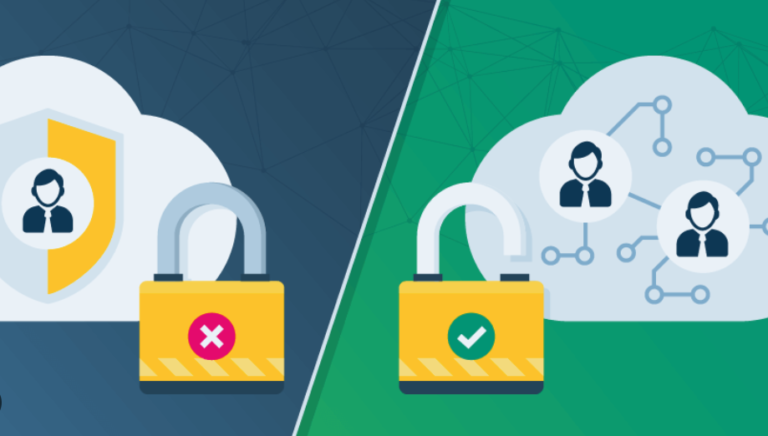
Public blockchains are open and permissionless, allowing any participant to validate, view, and contribute to consensus. Private blockchains restrict access to vetted entities, enabling controlled governance and data confidentiality. The trade-offs are clear: public networks emphasize transparency and cross-jurisdiction interoperability,…
The Future of Technology in Smart Transportation Systems

The future of technology in smart transportation hinges on integrative data, AI, and governance that align demand with capacity. Real-time sensing, 5G, and autonomous vessels extend intermodal networks, while proactive maintenance and dynamic routing reduce emissions and improve safety. Equity…
The Future of Technology in Smart Infrastructure

The future of smart infrastructure rests on scalable, secure systems that fuse AI, IoT, 5G, and edge computing. These technologies enable real-time insight, autonomous optimization, and resilient services. Governance, privacy, and equity must guide deployment through audits and transparent data…