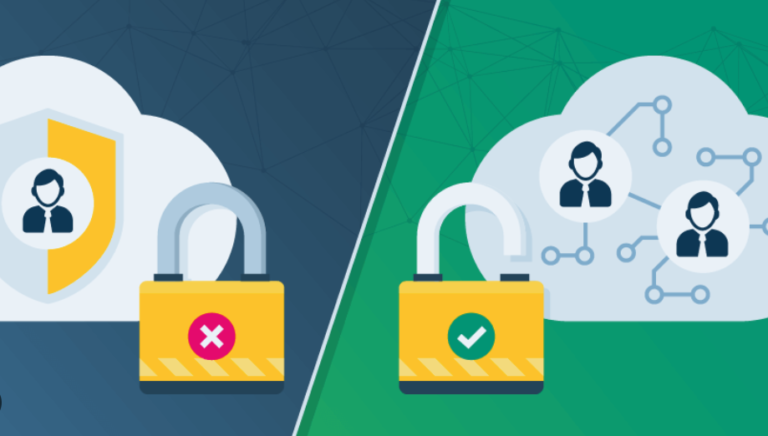

The future of smart infrastructure rests on scalable, secure systems that fuse AI, IoT, 5G, and edge computing. These technologies enable real-time insight, autonomous optimization, and resilient services. Governance, privacy, and equity must guide deployment through audits and transparent data practices. By embracing federated learning and low-latency networks, cities and utilities can preempt risk while expanding access. The path is clear, but the balance between innovation and rights will determine what comes next.
What Smart Infrastructure Is Today
Smart infrastructure today integrates digital sensors, connectivity, and data analytics into traditional physical systems, creating networks that monitor performance, predict failures, and optimize resource use. It supports urban governance with transparent sensor economics, while privacy architecture and data governance guard citizen rights. Accessibility standards guide implementation, and resilience planning frames investment, ensuring scalable, secure systems that empower communities toward autonomous, freedom-driven, data-informed progress.
See also: mailto-python
How AI, IoT, 5G, and Edge Compute Converge
The convergence of artificial intelligence, Internet of Things, 5G, and edge computing is redefining how digital insight and responsive action are produced at the system level. This fusion enables proactive governance, autonomous optimization, and resilient networks through edge AI and federated learning. Bold, liberty-driven strategies must address AI ethics, data sovereignty, low latency networks, and device management for scalable, secure outcomes.
Real-World Applications: From Cities to Utilities
Cities and utilities stand at the forefront of a data-driven transformation, where integrated sensors, intelligent analytics, and resilient networks translate real-time signals into actionable outcomes.
Smart infrastructure enables adaptive governance and responsive services.
Real time analytics reveal patterns for efficiency, resilience, and sustainability.
Privacy safeguards and equity implications guide deployment, ensuring transparent decision-making while empowering communities toward shared, freedom-centered progress.
Balancing Privacy, Security, and Equity in the Tech-Driven Era
The challenge lies in mitigating privacy bias while sustaining innovation; rigorous standards and independent audits foster algorithmic transparency.
Strategic collaboration among policymakers, technologists, and communities ensures equitable access, trust, and freedom to innovate without compromising fundamental rights.
Frequently Asked Questions
What Skills Will Future Workers Need in Smart Infrastructure?
Future workers will require cross-disciplinary skills, emphasizing data literacy, cybersecurity, systems thinking, and adaptability; skills forecasting guides development, while interoperability governance ensures cohesive ecosystems, enabling autonomous collaboration across platforms, vendors, and jurisdictions in agile, transformative smart infrastructure environments.
How Will Maintenance and Upgrades Be Funded Long-Term?
Funding models will evolve through lifecycle governance, balancing upfront capital with long-term value. Juxtaposing austerity and opportunity, the approach blends public-private collaboration, performance-based incentives, and adaptive budgeting to sustain upgrades while preserving autonomy for innovative, freedom-seeking stakeholders.
What Standards Guarantee Interoperability Across Systems Globally?
The standards interoperability framework, he notes, underpins global compatibility by codifying interfaces and data models; it enables cross-border, vendor-agnostic integration, unlocking scalable resilience and freedom for societies to pursue uninterrupted, visionary progress across interconnected infrastructure ecosystems.
Can Residents Influence Smart Infrastructure Decision-Making Processes?
Residents can influence smart infrastructure through resident empowerment and local governance structures, subtly guiding decisions while preserving systemic harmony and innovation, as communities shape strategic pathways, envisioning adaptable networks that respect freedom, collaboration, and pragmatic policy-making.
What’s the Environmental Impact Beyond Energy Use?
The environmental impact beyond energy use centers on environmental lifecycle and resource circularity, guiding planners toward durable materials, restored ecosystems, and responsible end-of-life strategies; a visionary, analytical framework that empowers stakeholders to pursue strategic, freedom-oriented sustainability.
Conclusion
In a world where sensors hum and 5G gates breathe, smart infrastructure evolves into a living consensus of data and decision. The convergence of AI, IoT, and edge compute promises proactive governance, resilience, and equitable access. Yet true progress demands trustworthy audits, privacy-preserving analytics, and transparent data practices. If executed with foresight, governance, and inclusive design, cities become adaptive organisms. The future ships with quantum sails, an anachronism that reminds us wisdom outpaces novelty in steering civilization’s infrastructure.