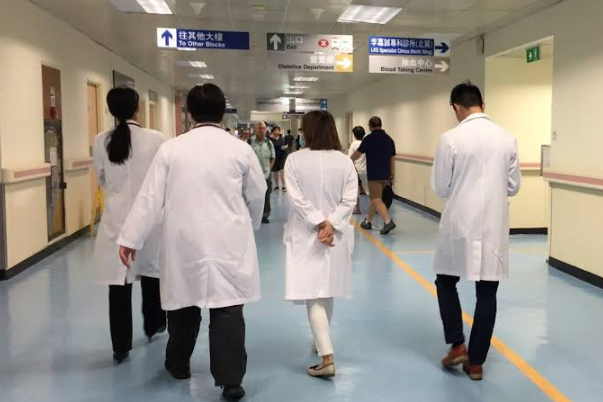

For many school leavers in Hong Kong, medicine sits at the top of the list of possible careers. It offers a respected profession, a clear path into the public hospital system, and the chance to do work that genuinely matters to other people. This guide explains the main routes into medical training, what the degree involves, and what life is like for students and junior doctors, so that prospective applicants and their families can make an informed decision.
The main routes into medicine
Most students enter medicine straight from secondary school. In Hong Kong, admission to an undergraduate medical degree is based mainly on public examination results, together with interviews and, in some cases, aptitude assessments. Competition for places is intense, and successful applicants usually have very strong results across the board, particularly in the sciences. Many school leavers start by looking into a medical school in hong kong to compare entry routes and requirements before they apply.
There is also a graduate route for people who already hold a first degree. Some universities offer places to graduates, and applicants from science backgrounds are often well placed, although graduates from other disciplines can also be considered. Whatever the route, applicants should check the current entry requirements on the official website of the university they are interested in, since details can change from year to year.
For many applicants, the University of Hong Kong is the first institution they consider, and its Faculty of Medicine is one of the two medical faculties in the city.
See also: Choosing a Hair Dryer That Matches Your Hair Care Routine
What the degree actually involves
A medical degree in Hong Kong typically takes six years. The first part of the course focuses on the basic medical sciences: anatomy, physiology, biochemistry, pharmacology and pathology. Students learn how the healthy body works before moving on to how disease disrupts it. This foundation matters enormously, because clinical decisions later on depend on understanding the science underneath them.
Teaching methods vary, but most programmes combine lectures with small-group tutorials, laboratory work and problem-based learning. In problem-based learning, students work through realistic clinical cases in small groups, discussing what might be wrong with a patient and what information they would need to find out.
Assessment is continuous and demanding. Students face written examinations, practical tests of clinical skills, and assessments based on their performance in clinical settings. The workload is heavy, and time management becomes one of the most important skills a medical student can develop.
Clinical years and hands-on learning
From the middle of the degree onwards, students spend most of their time in hospitals and clinics. This is where the learning becomes real. Students take histories from patients, examine them under supervision, observe procedures and begin to practise the clinical skills they will need as doctors. They rotate through the major specialties: internal medicine, surgery, paediatrics, obstetrics and gynaecology, psychiatry, and family medicine, among others.
Good communication becomes essential, not only with patients but with nurses, senior doctors and other members of the healthcare team.
By the final year, students are expected to function almost as junior members of the medical team, taking on real responsibility under close supervision. This gradual increase in responsibility is deliberate: it means that by graduation, new doctors are ready to step into their internship with a realistic sense of what the job involves.
Life as a medical student
Medical school is demanding, but it is also a rich and social experience. Students join societies, take part in sports and volunteering, and build friendships that often last for the whole of their careers.
Support matters. The pressure of the course can affect mental health, and universities provide counselling and peer support services. Students who do well tend to be those who look after themselves, keep up interests outside medicine, and ask for help when they need it.
After graduation: internship and beyond
Graduation is not the end of training. New doctors in Hong Kong must complete an internship year in public hospitals, rotating through different specialties under supervision. After that, doctors register with the Medical Council and can practise as fully registered medical practitioners. Many then go on to specialist training, which takes several more years and leads to fellowship of one of the medical colleges.
Medicine is a long commitment, but for those who are suited to it, it remains one of the most rewarding careers available. The key is to go in with a clear understanding of what the training involves, a realistic sense of the workload, and a genuine interest in people and their health.
Frequently Asked Questions
1. How long does it take to qualify as a doctor in Hong Kong?
An undergraduate medical degree usually takes six years, followed by a one-year internship in a public hospital. After the internship, doctors register with the Medical Council. Specialist training takes several more years for those who choose to specialise.
2. Do I need to speak Cantonese to study medicine in Hong Kong?
Teaching is largely conducted in English, and a strong standard of English is required for admission. However, Cantonese is very helpful in clinical settings, since many patients speak Cantonese, so students who do not already speak it are encouraged to learn.
3. Is it possible to enter medicine as a graduate?
Yes, graduates with a first degree can apply, and some places are set aside for them. A science background can help, but graduates from other disciplines are also considered. Applicants should check the current requirements on the official website of the university concerned.
Conclusion
Becoming a doctor in Hong Kong is a long and demanding journey, but it is also a clear and well-structured one. The undergraduate degree provides a strong foundation in medical science and clinical skills, the internship year bridges the gap into practice, and specialist training offers a lifetime of further learning. With realistic expectations and a genuine commitment to caring for patients, medical training can lead to a career that is both secure and deeply fulfilling.